Kristie, 3254 Morningdale Drive, Mt.pleasat R, Mt Pleasant, South Carolina, 29466 Bed Bug Registry Map Sunday 21st of June 2026 10:31 AM
Hotel
Residence
Location
Zoom In on the above map using the map controls for more detail, and select an incident by clicking on it for address details.
Use the field below to search for incident reports around an address - it will also auto suggest up to 10 incident addresses as you type.
Address : 3254 morningdale drive, mt.pleasat r, mt pleasant, South Carolina, United States, 29466
Details: I Had room at motel told the office 17 hours later they moved now they say no it don\\\\\\\\\\\\\\\\\\\\\\\\\\\\\\\\\\\\\\\\\\\\\\\\\\\\\\\\\\\\\\\'t I got bug and pictures please helpii
We cannot vouch for the truthfulness of any report on this site. If you feel a location has been reported in error, or want to dispute a report, please contact us.
The BOSS SMART VAC captures dirt other cleaners don't and on more surfaces. This model has an Eureka patented SEALED HEPA system . A system that filters all the fine dirt through the HEPA filter for cleaner indoor air. It comes complete with on-board tools and a Power Paw Turbo that's designed for vertical cleaning of stairs and upholstery.
The Bedbugs are live strictly by feeding on the blood of humans and other warm-blooded animals. The name 'bed bug' is derived from the insect's preferred habitat infesting houses and especially beds or other common areas where people may sleep. Bedbugs, though not strictly nocturnal, are mainly active at night and are capable of feeding unnoticed on their hosts.
Bedbugs are bloodsucking insects. They are normally out at night just before dawn, with a peak feeding period of about an hour before sunrise. Bedbugs may attempt to feed at other times if given the opportunity and have been observed feeding during all periods of the day. They reach their host by walking, or sometimes climb the walls to the ceiling and drop down on feeling a heat wave. Bedbugs are attracted to their hosts by warmth and the presence of carbon dioxide. The bug pierces the skin of its host with two hollow feeding tubes. With one tube it injects its saliva, which contains anticoagulants and anesthetics, while with the other it withdraws the blood of its host. After feeding for about five minutes, the bug returns to its hiding place. The bites cannot usually be felt until some minutes or hours later, as a dermatological reaction to the injected agents, and the first indication of a bite usually comes from the desire to scratch the bite site. Because of their natural aversion for sunlight, bedbugs come out at night.
Although bedbugs can live for a year or eighteen months without feeding, and purportedly up to three years in the case of the species Oeciacus vicarius (the cliff swallow bug), they normally try to feed every five to ten days. Bedbugs that go dormant for lack of food often live longer than a year, while well-fed specimens typically live six to nine months. At the 57th Annual Meeting of the Entomological Society of America in 2009, it was reported that newer generations of pesticide-resistant bedbugs in Virginia could survive only two months without feeding .Vermin and pets may also complicate a barrier strategy. Bedbugs prefer human hosts, but will resort to other warm-blooded hosts if humans are not available, and some species can live up to eighteen months without feeding at all. Anaphylactoid reactions produced by the injection of serum and other nonspecific proteins are observed and there is the possibility that the saliva of the bedbugs may cause anaphylactic shock in a small percentage of people. It is also possible that sustained feeding by bedbugs may lead to anemia. It is also important to watch for and treat any secondary bacterial infection.[citation needed] Systemic poisoning may occur if the bites are numerous.
Bed bugs feed on humans, usually at night when they are asleep. They feed by piercing the skin with their elongated mouthparts, which consist of two styles that normally fold under their body when at rest but fully extend during blood-meal feeding. One stylet has a groove that carries saliva into the wound, while the other has a groove through which body fluids from the host are taken in.
A single feeding may take up to 10 minutes, and feels like a pin prick, but because feeding usually occurs at night when people are asleep they are not aware they have been bitten until afterwards. However, saliva injected during the feeding can later produce large swellings on the skin that itch and may become irritated and infected when scratched. Swelling may not develop until a day or more after feeding, and some people do not show symptoms. Bed bugs currently are not considered to be disease carriers.
Bed bugs can go without feeding for 80 to 140 days. Older stages of nymphs can survive longer without feeding than younger ones, and adults have survived without food for as long as 550 days. A bed bug can take six times its weight in blood, and feeding can take 3 to 10 minutes. Adults live about 10 months, and there can be up to 3 to 4 generations of bed bugs per year.
All people are not equally sensitive to bed bug bites, so while some victims break out in rashes from the bites, other people may not display symptoms. When a reaction does occur, the results of feeding can be mild (a simple red spot) to severe (rash or even hives). Bed bugs have been discovered to harbor 28 different human pathogens, but fortunately, the transmission of these diseases to people has not been demonstrated. Dark blood spots on sheets and bedding may indicate bed bug feeding. Bed bugs will sometimes excrete while they are feeding. This results in darker (reddish or brownish) spots or smears placed on bed sheets, pillowcases and mattresses, or in nearby areas. This material is composed mostly of digested blood and the stains care very characteristic.
This fossilized skeletons of tiny aquatic organisms. When untreated, the razor sharp edges of this mined product scratch the exoskeletons of hard bodied insects, making them susceptible to fatal attack from natural organisms in the soil. Application rate: Dry: 1 lb. per 500 sq. ft. Solution: 2 tbs. per gal. of water. As a food supplement for pets: 1-2% of food volume.
Bedbugs travel easily and quickly along pipes and boards, and their bodies are very flat, which allows them to hide in tiny crevices. In the daytime, they tend to stay out of the light, preferring to remain hidden in such places as mattress seams, mattress interiors, bed frames, nearby furniture, carpeting, between the pages of books, baseboards, inner walls, tiny wood holes, and/or room clutter. Bedbugs can be found on their own but will more often congregate in groups once established. They tend not to travel further than 100 feet (30 m) from their host to feed and will usually remain close to their blood supply in the same bedroom or living quarters where people sleep.
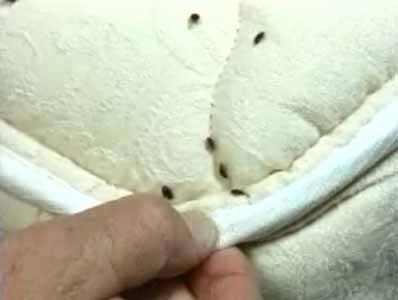
Exact nesting locations of a typical infestation can vary greatly as bedbugs will often attempt to hide themselves within a wide range of tiny areas or spaces, within cracks and crevices, or simply in darker locations where they are out of plain sight. Such hiding spots may not always be immediately obvious to an inexperienced searcher'”although bedbugs will indeed be much easier to find and locate once an infestation has become concentrated. A single intricate bed frame or mattress can hold a wealth of choice areas for bedbugs to hide so careful, meticulous inspection is a must. A standard mattress, however, is most likely to house bedbugs along the sewn piping material running along the outer edges on both the top and bottom sides of the mattress. The common bedbug is also most likely to hide in certain sections or parts of various types of beds if the segments are, in fact, present (i.e., hiding in the wooden head or footboard, for example, if the bed has one). Bedbugs may also quietly nest themselves under the cover of various materials and lie completely still for long periods making detection even more difficult.
The potential places where a typical bedbug may choose to hide are numerous. It is, however, very common for bedbugs to nest in whatever furniture it is that a person sleeps and naps on'”which is not at all limited to beds, but also includes upholstered chairs, loveseats, sofas, plush furniture, futons, etc., as well as other non-traditional beds such as camping cots, floor pads, hide-a-beds, bean bags, strollers, cradles, etc. Bedbugs will attempt to nest in any of these sleeping structures if given the opportunity and will take cover in nearby areas as well (sleeping directly on the floor, for example, may cause them to feed but then nest in the nearby carpeting and furniture). Bedbugs tend to want to hide as close as possible to where they feed. If a person sleeps on a couch within a room where bedbugs are present, for example, then it could be generally expected that the bedbugs in the given room would quickly find their way onto the sofa as well as onto the sleeping person where they may then feed (i.e. unless the couch had been effectively segregated or isolated beforehand to prevent bedbugs from crawling onto it). Then, upon the sleeping host providing a blood meal, it could be expected that the engorged bedbugs will attempt to make the couch itself their nesting location'”with the bugs congregating under the sofa, in the seams and folds of the fabric, in the crevices, in the creases atop and behind the headrest, amongst the armrests, in the cushions, in the wooden assembly, etc. Bedbugs usually will not wander too far from their meal. And this process of searching out a host, honing in to feed, then hiding in immediate and nearby crevices can take place over the course of a single night and, in such a manner, a couch or an upholstered chair may become heavily infested with bedbugs within a very short time. An effective isolation of lounge furniture and/or taking steps to avoid sleeping on couches (esp. in high risk environments) will help to prevent this.
Minimizing potential nesting locations (such as through the removing of, disposal, and/or bagging of various clutter often surrounding the typical bed'”i.e. both on, around, and under it) can make it easier to pinpoint the remaining areas where bedbugs may be hiding. But such additional hiding spots are often times unique to each case of infestation since virtually any small space or crack in a given room can be useful as a nesting site to bedbugs'”so long as it is close to the host. Unchecked, bedbugs will eventually expand their overall nesting locations into nearby furniture such as dressers or nightstands, in drawers, in the cracks of picture frames, in screw or nail holes to bedroom fixtures, behind mirrors, etc. Then into the carpet, or under rugs, up the walls, and into the corners and such'”the potential for nesting sites among such a wide range of appliances is numerous. Within a single bed, bedbugs may nestle themselves in the mattress (along the tufts, folds, and seams), in the supporting box spring, platform, or bunkie board, in the framed support structures as well as in the cracks where the individual parts and segments are attached. They may hide amongst the remaining bed frame (in the headboard, footboard or hollows of the siderailings and bed posts), within rips and tears or holes in the bed, under the base/platform, in between the bedding between the layers of sheets and mattress covers (etc.), in the wheels of the bed, among the bunk ladder assembly, under bed skirts, in the bedcoverings, etc. Complete disassembly and subsequent treatment of the entire bed frame may be necessary to reveal all nesting spots when bedbugs are present. A thorough inspection would also include checking the entire room for telltale signs of harborages and inspecting the surrounding flooring, baseboards, and walls, etc.
Bedbugs will also infest and nest in clutter that is often scattered around a typical bed'”such as in shoeboxes stored underneath or in boxed documents and photos. They may be found in nightstands as well as in objects placed on them. Or they may hide amongst clothes lying about in the room (though, it should be noted, that simply bagging all worn day clothing next to the bed every night while sleeping will help to prevent this). Bedbugs will also tend to nest in the baseboards along the bottoms of the walls, along the molding, under loose flooring or carpet, etc. And, depending on the proximity of such sites to the host and extent of the infestation, these locations should be expected. There are a multitude of other places where bedbugs have been known to hide as this list is by no means exhaustive. Where exactly it is that bedbugs go to nest may, in fact, be dependent on wherever it is that they can go'”albeit without going too far. But the extremes of their nesting locations are often relative to the numerical extent of the infestation, its source of origin, and how it is managed. Bedbugs, for example, nesting in the ceiling may indicate that they had entered the room and/or are spreading via the ceiling (i.e. possibly through the ceiling panels, vents, ceiling fixtures, pipes, etc.).
If children are in the house, bedbugs may also hide in toys and other recreational objects or in areas where younger ones play and/or nap. Bedbugs have also been found in door hinges, electrical fittings, in fire alarms, in lighting fixtures, amongst windowsills, in the cracks of plaster, behind peeled wallpaper, around curtains, in the cracks of brick and mortar, inside electronic devices, in various furniture, in floor cracks. And in blankets, purses, suitcases, lamp shades, inside speakers, under lamps, in vents, in shoes, above doorways and windows, under appliances, underneath linoleum, in storage, in books, in scattered paper, in envelopes, behind wiring, along piping (including both gas and plumbing pipes), in velcro, inside hollow doors, in ceiling fixtures, above the bed, in toys, in the ceiling, in phones, etc. -- put simply, it is possible that bedbugs may nest into any cracks or crevices that lie nearest to their hosts. Also, wicker furniture is known to be particularly targeted by bedbugs as a preferred nesting haven and should be removed in suspected areas.
Bedbugs, in some instances, can be incredibly localized in their tendency to remain generally close to their primary meal supply'”even making it possible for the sleeping quarters on the side of one room to become heavily infested while the sleeping areas of a different side in the same room can seem to get by relatively untouched. This esoteric tendency of bedbugs toward localized colonization can make detection of a growing infestation even more difficult up until the last minute. But, in any case, bedbugs will expand into nearby locations either as the infestation grows, as they are inadvertently transported from location to location and forced to hide, as they are repelled from various stimuli, or bedbug infestations will expand as they are cut off from nourishment and forced to traverse new whereabouts in search of a new blood supply.
Although bedbugs show a clear preference for hiding amongst certain materials such as wood or fabric, the nesting sites of a bedbug's choosing can literally be in any location that might allow them to remain nearest to their host and meal supply undetected. It is also possible that the nesting location may be physically on the host themselves inside their clothes'”especially if the clothes are not washed regularly or if the host is typically immobile, etc.
Bedbugs may also take refuge in unsuspected areas such as cars, luggage, moving vans, RVs, etc. And, where possible, will also feed on and nest nearby pets who may also be bitten. Bedbugs may also nest near other intruding animals that might be living within the house structure (such as near the roosting sites of bats, rodents, or birds, etc.).
The more adept one is at spotting bedbugs and uprooting them at their harborage points, then the better and more equipped one will be in helping to prevent infestations, in greatly minimizing them, and at reducing their spread. Detection of bedbug nesting locations is also of paramount importance because the nocturnal insects have an uncanny tendency, and often frustrating ability, to hide wherever possible. It is not abnormal for the bedbugs within a dwelling to find the host as opposed to the other way around'”despite a reasonable search effort. Effective experience in locating them will also contribute to accurately confirming whether or not a bedbug infestation has been thoroughly eliminated. And can also provide additional assistance to pest control operators which is required for successful treatment, or allow one to, perhaps, eradicate a moderate to light infestation altogether on their own.
Posted inBED BUG DATABASE|Comments Off on Bed Bug Nesting Location
Bed bugs can live in almost any crevice or protected location. They will usually stay close to their food source (blood) but can rapidly spread through a multiple residence building, hotel or other accommodations. The most common place to find them is the bed. Bed bugs often hide within seams, tufts, and crevices of the mattress, box spring, bed frame and headboard.
Bed bugs will hide behind pictures, tapestries or anything else mounted on the wall. Anything with seams, cracks or crevices present are prime nesting areas.
Picture frames are classic hiding locations as are heating and air ducts. Also be sure to check inside clocks, phones, televisions and smoke detectors. The bottom line is that you need to treat any location if you as much as suspect activity. Many families try unworkable home remedies for Bed Bugs or more extreme measures '“ such as throwing out their Bed Bug-infested mattresses and bedding, and sometimes ripping out carpet and replacing furniture to rid Bed Bugs from their home! While this course of action can often be understandable responses this isn't an efficient Bed Bugs remedy or cure for Bed Bugs because they will go into the walls, under the baseboards or any other hiding place. If a person manages to slide a credit card into a crack or crevice, a bed bug is likely to find a home and hidden place to breed.
Some Bed bug symptoms are not obvious to the untrained eye. A thorough inspection requires dismantling the bed and standing the components on edge. Things to look for are the bugs themselves, and the light-brown, molted skins of the nymphs. Dark spots of dried bed bug excrement are often present along mattress seams or wherever the bugs have resided. Oftentimes the gauze fabric underlying the box spring must be removed to gain access for inspection and possible treatment. Successful treatment of mattresses and box springs is difficult, however, and infested components may need to be discarded. Cracks and crevices of bed frames should be examined, especially if the frame is wood. (Bed bugs have an affinity for wood and fabric more so than metal or plastic). Headboards secured to walls should also be removed and inspected. In hotels and motels, the area behind the headboard is often the first place that the bugs become established. Bed bugs also hide among items stored under beds.
Nightstands and dressers should be emptied and examined inside and out, then tipped over to inspect the woodwork underneath. Oftentimes the bugs will be hiding in cracks, corners, and recesses.
Upholstered chairs and sofas should be checked, especially seams, tufts, skirts, and crevices beneath cushions. Sofas can be major bed bug hotspots when used for sleeping.
Other common places to find bed bugs include: along and under the edge of wall-to-wall carpeting (especially behind beds and furniture); cracks in wood molding; ceiling-wall junctures; behind wall-mounts, picture frames, switch plates and outlets; under loose wallpaper; amongst clothing stored in closets; and inside clocks, phones, televisions and smoke detectors.
The challenge is to find and treat all places where bugs and eggs may be present. Bed bugs tend to congregate in certain areas, but it is common to find an individual or some eggs scattered here and there. Persistence and a bright flashlight are requisites for success. Professional Inspectors sometimes also inject a pyrethrum-based, "flushing agent" into crevices to help reveal where bugs may be hiding. A thorough treatment of a home, hotel, or apartment may take several hours or days. Nymphs and adults generally feed at night and hide in crevices during the day. Occasionally people pick up bed bugs in theaters or on buses and trains. They also can bring them into their home on clothing, bedding, luggage, or firewood.
Picture frames are also classic and common hiding locations as are heating and air ducts. Also be sure to check inside clocks, phones, televisions and smoke detectors. The bottom line is that you need to treat any location if you as much as suspect activity. Many people have the misconception thatgetting rid of bed bugsis done through traditional pest controls which uses harsh pesticides. The truth of the matter is that bed bugs have grown immune to the pesticides exterminators are using. That is why there has been such an enormous increase in bed bug infestations throughout the US.
While this course of action can often be understandable responses this isn't an efficient Bed Bugs remedy or cure for Bed Bugs because they will go into the walls, under the baseboards or any other Bed Bug hiding places. If a person manages to slide a credit card into a crack or crevice, a bed bug is likely to find a home and hidden place to breed for Bed Bug hiding places. Many families try unworkable home remedies for Bed Bugs or more extreme measures to get rid of Bed Bug hiding places '“ such as throwing out their Bed Bug-infested mattresses and bedding, and sometimes ripping out carpet and replacing furniture to rid Bed Bugs from their home!

 Residence
  Location

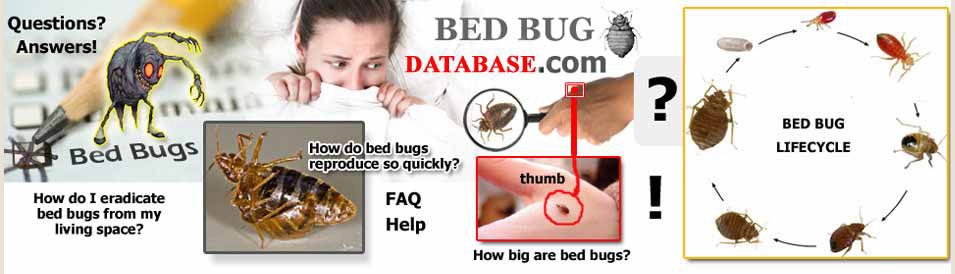
 The Bedbugs are live strictly by feeding on the blood of humans and other warm-blooded animals. The name 'bed bug' is derived from the insect's preferred habitat infesting houses and especially beds or other common areas where people may sleep. Bedbugs, though not strictly nocturnal, are mainly active at night and are capable of feeding unnoticed on their hosts.
 A single feeding may take up to 10 minutes, and feels like a pin prick, but because feeding usually occurs at night when people are asleep they are not aware they have been bitten until afterwards. However, saliva injected during the feeding can later produce large swellings on the skin that itch and may become irritated and infected when scratched. Swelling may not develop until a day or more after feeding, and some people do not show symptoms. Bed bugs currently are not considered to be disease carriers.
 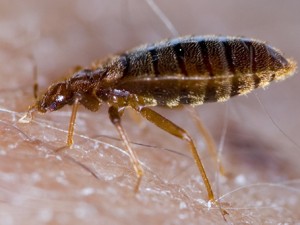 All people are not equally sensitive to bed bug bites, so while some victims break out in rashes from the bites, other people may not display symptoms. When a reaction does occur, the results of feeding can be mild (a simple red spot) to severe (rash or even hives). Bed bugs have been discovered to harbor 28 different human pathogens, but fortunately, the transmission of these diseases to people has not been demonstrated. Dark blood spots on sheets and bedding may indicate bed bug feeding. Bed bugs will sometimes excrete while they are feeding. This results in darker (reddish or brownish) spots or smears placed on bed sheets, pillowcases and mattresses, or in nearby areas. This material is composed mostly of digested blood and the stains care very characteristic.
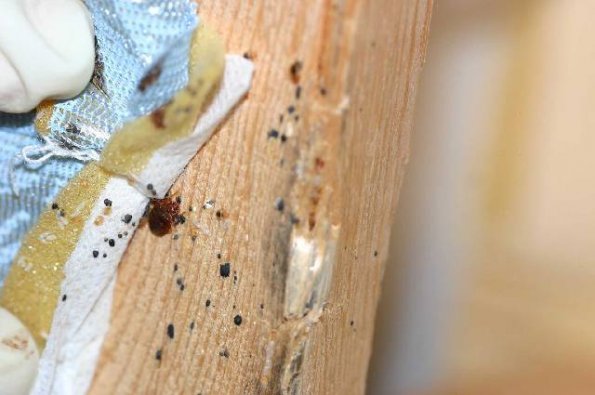
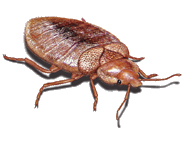 Bedbugs travel easily and quickly along pipes and boards, and their bodies are very flat, which allows them to hide in tiny crevices. In the daytime, they tend to stay out of the light, preferring to remain hidden in such places as mattress seams, mattress interiors, bed frames, nearby furniture, carpeting, between the pages of books, baseboards, inner walls, tiny wood holes, and/or room clutter. Bedbugs can be found on their own but will more often congregate in groups once established. They tend not to travel further than 100 feet (30 m) from their host to feed and will usually remain close to their blood supply in the same bedroom or living quarters where people sleep.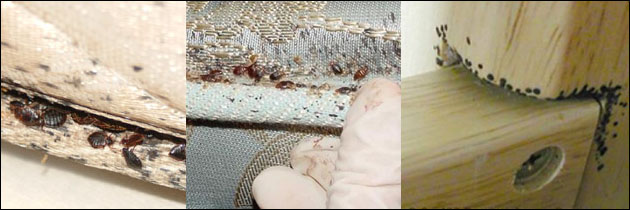
 Exact nesting locations of a typical infestation can vary greatly as bedbugs will often attempt to hide themselves within a wide range of tiny areas or spaces, within cracks and crevices, or simply in darker locations where they are out of plain sight. Such hiding spots may not always be immediately obvious to an inexperienced searcher'”although bedbugs will indeed be much easier to find and locate once an infestation has become concentrated. A single intricate bed frame or mattress can hold a wealth of choice areas for bedbugs to hide so careful, meticulous inspection is a must. A standard mattress, however, is most likely to house bedbugs along the sewn piping material running along the outer edges on both the top and bottom sides of the mattress. The common bedbug is also most likely to hide in certain sections or parts of various types of beds if the segments are, in fact, present (i.e., hiding in the wooden head or footboard, for example, if the bed has one). Bedbugs may also quietly nest themselves under the cover of various materials and lie completely still for long periods making detection even more difficult.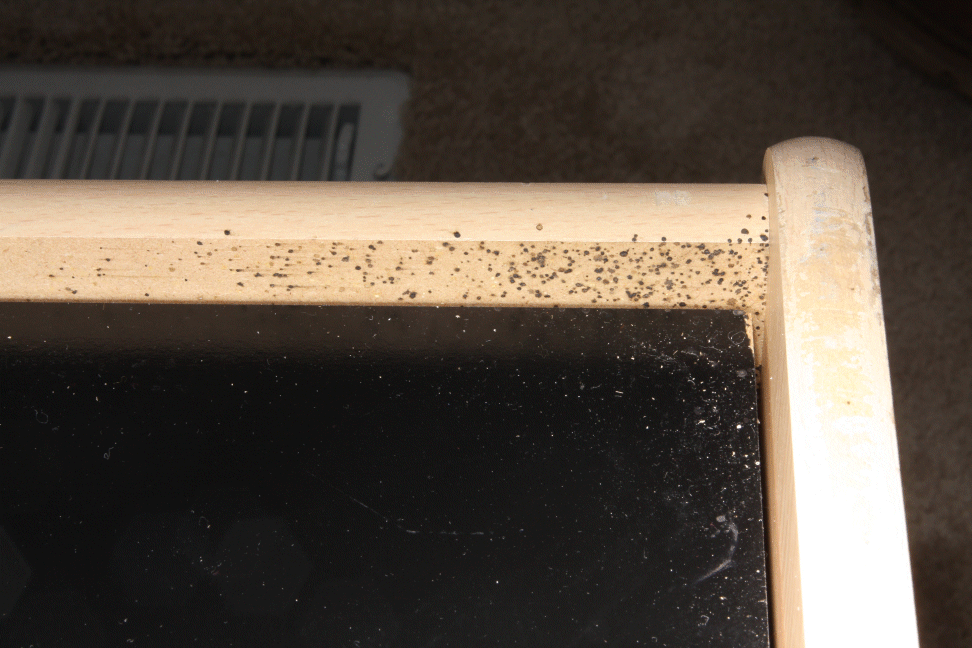
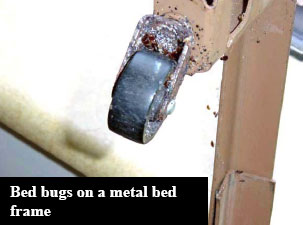 where they may then feed (i.e. unless the couch had been effectively segregated or isolated beforehand to prevent bedbugs from crawling onto it). Then, upon the sleeping host providing a blood meal, it could be expected that the engorged bedbugs will attempt to make the couch itself their nesting location'”with the bugs congregating under the sofa, in the seams and folds of the fabric, in the crevices, in the creases atop and behind the headrest, amongst the armrests, in the cushions, in the wooden assembly, etc. Bedbugs usually will not wander too far from their meal. And this process of searching out a host, honing in to feed, then hiding in immediate and nearby crevices can take place over the course of a single night and, in such a manner, a couch or an upholstered chair may become heavily infested with bedbugs within a very short time. An effective isolation of lounge furniture and/or taking steps to avoid sleeping on couches (esp. in high risk environments) will help to prevent this.
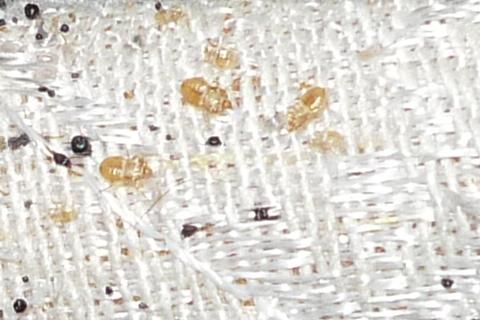 Minimizing potential nesting locations (such as through the removing of, disposal, and/or bagging of various clutter often surrounding the typical bed'”i.e. both on, around, and under it) can make it easier to pinpoint the remaining areas where bedbugs may be hiding. But such additional hiding spots are often times unique to each case of infestation since virtually any small space or crack in a given room can be useful as a nesting site to bedbugs'”so long as it is close to the host. Unchecked, bedbugs will eventually expand their overall nesting locations into nearby furniture such as dressers or nightstands, in drawers, in the cracks of picture frames, in screw or nail holes to bedroom fixtures, behind mirrors, etc. Then into the carpet, or under rugs, up the walls, and into the corners and such'”the potential for nesting sites among such a wide range of appliances is numerous. Within a single bed, bedbugs may nestle themselves in the mattress (along the tufts, folds, and seams), in the supporting box spring, platform, or bunkie board, in the framed support structures as well as in the cracks where the individual parts and segments are attached. They may hide amongst the remaining bed frame (in the headboard, footboard or hollows of the siderailings and bed posts), within rips and tears or holes in the bed, under the base/platform, in between the bedding between the layers of sheets and mattress covers (etc.), in the wheels of the bed, among the bunk ladder assembly, under bed skirts, in the bedcoverings, etc. Complete disassembly and subsequent treatment of the entire bed frame may be necessary to reveal all nesting spots when bedbugs are present. A thorough inspection would also include checking the entire room for telltale signs of harborages and inspecting the surrounding flooring, baseboards, and walls, etc.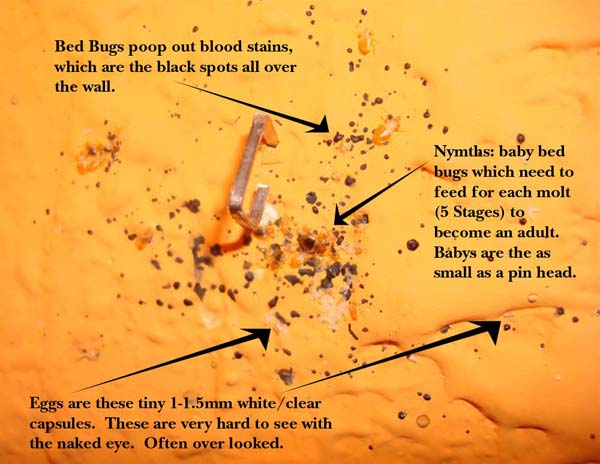
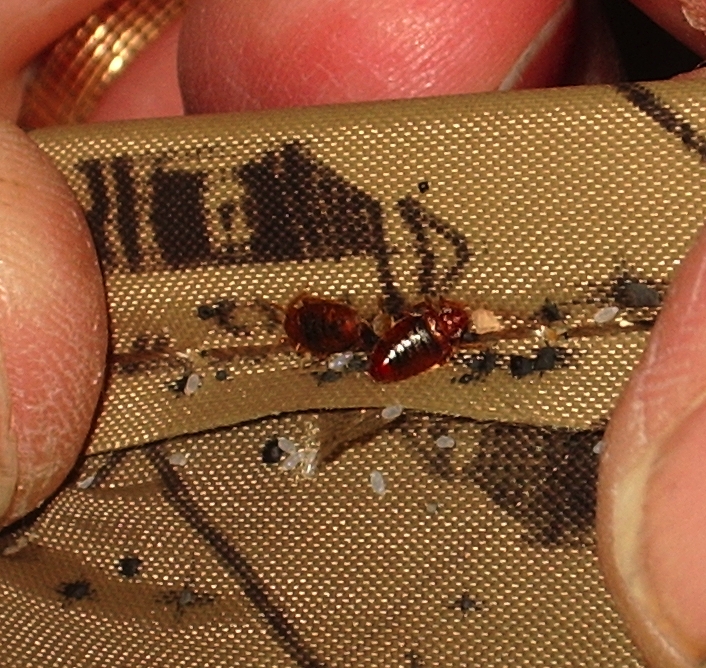 Bedbugs will also infest and nest in clutter that is often scattered around a typical bed'”such as in shoeboxes stored underneath or in boxed documents and photos. They may be found in nightstands as well as in objects placed on them. Or they may hide amongst clothes lying about in the room (though, it should be noted, that simply bagging all worn day clothing next to the bed every night while sleeping will help to prevent this). Bedbugs will also tend to nest in the baseboards along the bottoms of the walls, along the molding, under loose flooring or carpet, etc. And, depending on the proximity of such sites to the host and extent of the infestation, these locations should be expected. There are a multitude of other places where bedbugs have been known to hide as this list is by no means exhaustive. Where exactly it is that bedbugs go to nest may, in fact, be dependent on wherever it is that they can go'”albeit without going too far. But the extremes of their nesting locations are often relative to the numerical extent of the infestation, its source of origin, and how it is managed. Bedbugs, for example, nesting in the ceiling may indicate that they had entered the room and/or are spreading via the ceiling (i.e. possibly through the ceiling panels, vents, ceiling fixtures, pipes, etc.).
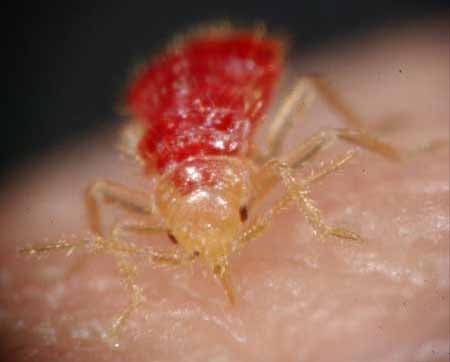 If children are in the house, bedbugs may also hide in toys and other recreational objects or in areas where younger ones play and/or nap. Bedbugs have also been found in door hinges, electrical fittings, in fire alarms, in lighting fixtures, amongst windowsills, in the cracks of plaster, behind peeled wallpaper, around curtains, in the cracks of brick and mortar, inside electronic devices, in various furniture, in floor cracks. And in blankets, purses, suitcases, lamp shades, inside speakers, under lamps, in vents, in shoes, above doorways and windows, under appliances, underneath linoleum, in storage, in books, in scattered paper, in envelopes, behind wiring, along piping (including both gas and plumbing pipes), in velcro, inside hollow doors, in ceiling fixtures, above the bed, in toys, in the ceiling, in phones, etc. -- put simply, it is possible that bedbugs may nest into any cracks or crevices that lie nearest to their hosts. Also, wicker furniture is known to be particularly targeted by bedbugs as a preferred nesting haven and should be removed in suspected areas.
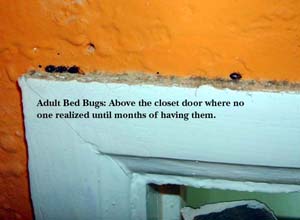 Bedbugs, in some instances, can be incredibly localized in their tendency to remain generally close to their primary meal supply'”even making it possible for the sleeping quarters on the side of one room to become heavily infested while the sleeping areas of a different side in the same room can seem to get by relatively untouched. This esoteric tendency of bedbugs toward localized colonization can make detection of a growing infestation even more difficult up until the last minute. But, in any case, bedbugs will expand into nearby locations either as the infestation grows, as they are inadvertently transported from location to location and forced to hide, as they are repelled from various stimuli, or bedbug infestations will expand as they are cut off from nourishment and forced to traverse new whereabouts in search of a new blood supply.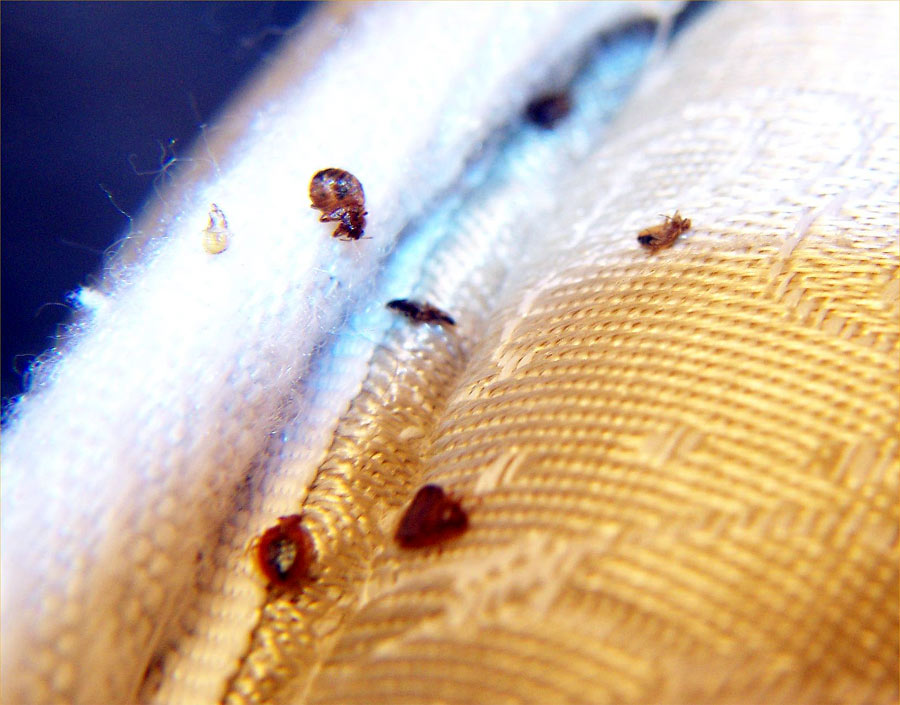
 Although bedbugs show a clear preference for hiding amongst certain materials such as wood or fabric, the nesting sites of a bedbug's choosing can literally be in any location that might allow them to remain nearest to their host and meal supply undetected. It is also possible that the nesting location may be physically on the host themselves inside their clothes'”especially if the clothes are not washed regularly or if the host is typically immobile, etc.
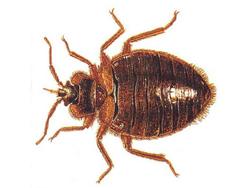 Bedbugs may also take refuge in unsuspected areas such as cars, luggage, moving vans, RVs, etc. And, where possible, will also feed on and nest nearby pets who may also be bitten. Bedbugs may also nest near other intruding animals that might be living within the house structure (such as near the roosting sites of bats, rodents, or birds, etc.).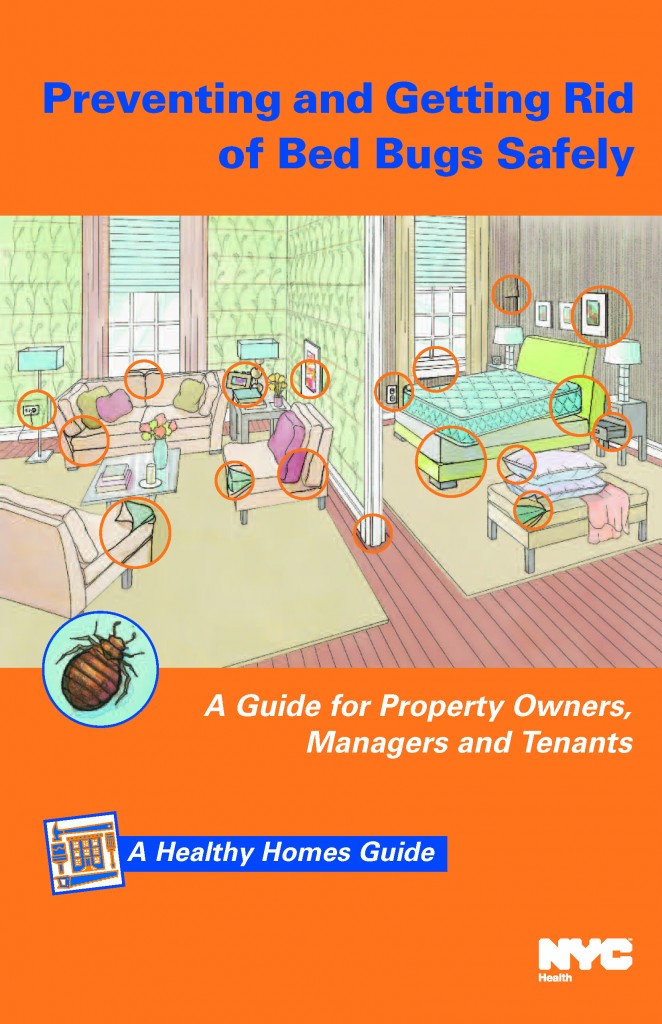
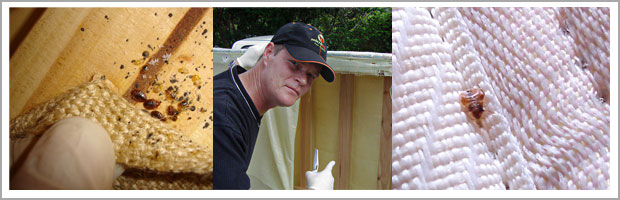
 Picture frames are classic hiding locations as are heating and air ducts. Also be sure to check inside clocks, phones, televisions and smoke detectors. The bottom line is that you need to treat any location if you as much as suspect activity.
 Nightstands and dressers should be emptied and examined inside and out, then tipped over to inspect the woodwork underneath. Oftentimes the bugs will be hiding in cracks, corners, and recesses.
  The challenge is to find and treat all places where bugs and eggs may be present. Bed bugs tend to congregate in certain areas, but it is common to find an individual or some eggs scattered here and there. Persistence and a bright flashlight are requisites for success. Professional Inspectors sometimes also inject a pyrethrum-based, "flushing agent" into crevices to help reveal where bugs may be hiding. A thorough treatment of a home, hotel, or apartment may take several hours or days. Nymphs and adults generally feed at night and hide in crevices during the day. Occasionally people pick up bed bugs in theaters or on buses and trains. They also can bring them into their home on clothing, bedding, luggage, or firewood.
  While this course of action can often be understandable responses this isn't an efficient Bed Bugs remedy or cure for Bed Bugs because they will go into the walls, under the baseboards or any other Bed Bug hiding places. If a person manages to slide a credit card into a crack or crevice, a bed bug is likely to find a home and hidden place to breed for Bed Bug hiding places. Many families try unworkable home remedies for Bed Bugs or more extreme measures to get rid of Bed Bug hiding places '“ such as throwing out their Bed Bug-infested mattresses and bedding, and sometimes ripping out carpet and replacing furniture to rid Bed Bugs from their home!